Buy search4best.com ?
We are moving the project
search4best.com .
Are you interested in purchasing the domain
search4best.com ?
domain@kv-gmbh.de · 0541-91531010
Buy search4best.com ?
Does silicone stick to silicone?
Yes, silicone does stick to silicone. When two silicone surfaces come into contact, they tend to adhere to each other due to their similar chemical composition. This property makes silicone a popular material for creating airtight seals and bonding silicone-based products together. **
Which baking pan is the best: ceramic, non-stick coating, tinplate, or silicone?
The best baking pan depends on the specific recipe and personal preference. Ceramic pans are durable and provide even heat distribution, making them great for baking. Non-stick coating pans are convenient for easy release of baked goods and easy cleaning. Tinplate pans are traditional and provide a classic look, but may require greasing to prevent sticking. Silicone pans are flexible and easy to clean, but may not provide as crisp of a crust on baked goods. Ultimately, the best baking pan will depend on the specific needs of the recipe and the baker's preferences. **
Similar search terms for YBM-Home-Silicone-Non-Stick
Top-Angebote
Products related to YBM-Home-Silicone-Non-Stick:
-
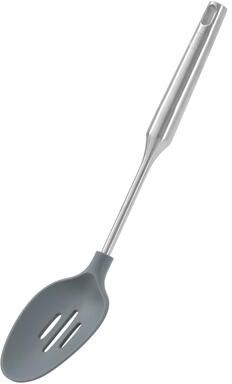
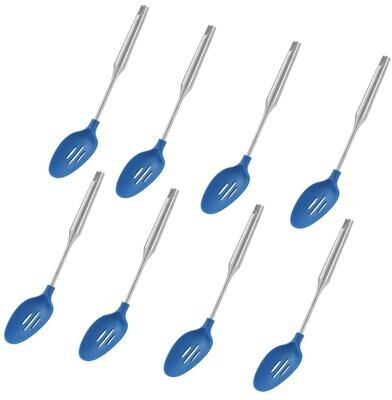
YBM Home Silicone Non-Stick Slotted Cooking Serving SpoonsElegant and a fascinating staple in the kitchen, the YBM Home slotted spoon is precisely designed for cooking and serving The Chef’s Best Choice You made that good mix of pasta with ground beef and added the final touches of red tomato sauces with...34,02 $*Shipping: 0,00 $Secure redirect to the provider
-
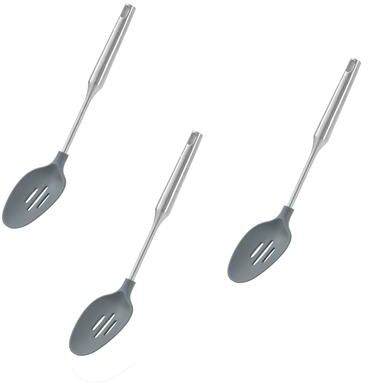
YBM Home Silicone Non-Stick Slotted Cooking Serving SpoonsElegant and a fascinating staple in the kitchen, the YBM Home slotted spoon is precisely designed for cooking and serving The Chef’s Best Choice You made that good mix of pasta with ground beef and added the final touches of red tomato sauces with...79,99 $*Shipping: 0,00 $Secure redirect to the provider
-
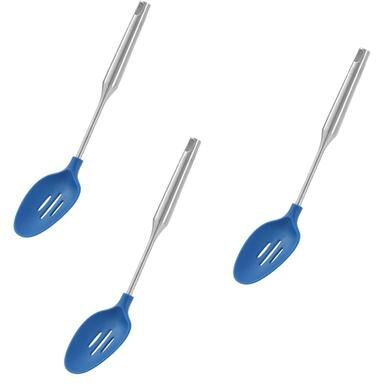
YBM Home Silicone Non-Stick Slotted Cooking Serving SpoonsElegant and a fascinating staple in the kitchen, the YBM Home slotted spoon is precisely designed for cooking and serving The Chef’s Best Choice You made that good mix of pasta with ground beef and added the final touches of red tomato sauces with...39,49 $*Shipping: 0,00 $Secure redirect to the provider
-
YBM Home Silicone Non-Stick Slotted Cooking Serving SpoonsElegant and a fascinating staple in the kitchen, the YBM Home slotted spoon is precisely designed for cooking and serving The Chef’s Best Choice You made that good mix of pasta with ground beef and added the final touches of red tomato sauces with...79,99 $*Shipping: 0,00 $Secure redirect to the provider

-
How can one make silicone at home?
To make silicone at home, you will need to mix together silicone oil and a catalyst. The most common silicone oil used for this purpose is dimethylpolysiloxane, which can be found online or at specialty stores. The catalyst, which initiates the curing process, is typically a mixture of tin and platinum compounds. Once you have the silicone oil and catalyst, you can mix them together in the proper proportions and allow the mixture to cure to form silicone. It's important to follow safety precautions and proper measurements when working with these chemicals. **
-
Does tile adhesive stick to silicone?
No, tile adhesive does not stick well to silicone. Silicone is a non-porous material, which means it does not provide a good surface for the adhesive to bond to. It is recommended to remove any silicone residue from the area where tile adhesive will be applied in order to ensure a strong and lasting bond. Additionally, using a primer specifically designed for bonding to silicone can help improve the adhesion of the tile adhesive. **
-
Why do silicone baking molds stick?
Silicone baking molds can stick for a few reasons. One common reason is if the molds are not properly greased or if the batter is too sticky. Additionally, overfilling the molds can cause the batter to spill over and stick to the edges. It is also important to allow baked goods to cool completely before trying to remove them from the molds to prevent sticking. **
-
How do you stick silicone to tiles?
To stick silicone to tiles, you will need to ensure that the tiles are clean and dry before applying the silicone. Use a silicone adhesive that is specifically designed for use on tiles. Apply the silicone to the desired area using a caulking gun, making sure to create a smooth and even bead. Press the silicone firmly onto the tiles and allow it to dry completely according to the manufacturer's instructions. **

How do you stick silicone on tiles?
To stick silicone on tiles, you will first need to clean the area thoroughly to remove any dirt or debris. Next, cut the tip of the silicone tube at a 45-degree angle and load it into a caulking gun. Apply a thin, even bead of silicone along the edge where the tiles meet, using steady pressure on the caulking gun. Smooth out the silicone with a wet finger or a silicone tool to ensure a clean finish. Allow the silicone to dry and cure according to the manufacturer's instructions before exposing it to water or moisture. **
Will acrylic stick to silicone if the silicone joint cannot be painted over?
No, acrylic paint will not adhere well to silicone if the silicone joint cannot be painted over. Silicone is a non-porous material, making it difficult for acrylic paint to bond to its surface. It is recommended to use a paint or adhesive specifically designed for use on silicone if painting or adhering to silicone surfaces. **
Top-Angebote
Products related to YBM-Home-Silicone-Non-Stick:
-
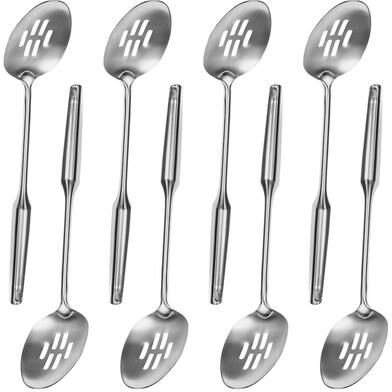
YBM Home Silicone Non-Stick Slotted Cooking Serving SpoonsElegant and a fascinating staple in the kitchen, the YBM Home slotted spoon is precisely designed for cooking and serving The Chef’s Best Choice You made that good mix of pasta with ground beef and added the final touches of red tomato sauces with...23,89 $*Shipping: 0,00 $Secure redirect to the provider
-
YBM Home Silicone Non-Stick Slotted Cooking Serving SpoonsElegant and a fascinating staple in the kitchen, the YBM Home slotted spoon is precisely designed for cooking and serving The Chef’s Best Choice You made that good mix of pasta with ground beef and added the final touches of red tomato sauces with...34,02 $*Shipping: 0,00 $Secure redirect to the provider
-
YBM Home Silicone Non-Stick Slotted Cooking Serving SpoonsElegant and a fascinating staple in the kitchen, the YBM Home slotted spoon is precisely designed for cooking and serving The Chef’s Best Choice You made that good mix of pasta with ground beef and added the final touches of red tomato sauces with...79,99 $*Shipping: 0,00 $Secure redirect to the provider
-
Does silicone stick to silicone?
Yes, silicone does stick to silicone. When two silicone surfaces come into contact, they tend to adhere to each other due to their similar chemical composition. This property makes silicone a popular material for creating airtight seals and bonding silicone-based products together. **
-
Which baking pan is the best: ceramic, non-stick coating, tinplate, or silicone?
The best baking pan depends on the specific recipe and personal preference. Ceramic pans are durable and provide even heat distribution, making them great for baking. Non-stick coating pans are convenient for easy release of baked goods and easy cleaning. Tinplate pans are traditional and provide a classic look, but may require greasing to prevent sticking. Silicone pans are flexible and easy to clean, but may not provide as crisp of a crust on baked goods. Ultimately, the best baking pan will depend on the specific needs of the recipe and the baker's preferences. **
-
How can one make silicone at home?
To make silicone at home, you will need to mix together silicone oil and a catalyst. The most common silicone oil used for this purpose is dimethylpolysiloxane, which can be found online or at specialty stores. The catalyst, which initiates the curing process, is typically a mixture of tin and platinum compounds. Once you have the silicone oil and catalyst, you can mix them together in the proper proportions and allow the mixture to cure to form silicone. It's important to follow safety precautions and proper measurements when working with these chemicals. **
-
Does tile adhesive stick to silicone?
No, tile adhesive does not stick well to silicone. Silicone is a non-porous material, which means it does not provide a good surface for the adhesive to bond to. It is recommended to remove any silicone residue from the area where tile adhesive will be applied in order to ensure a strong and lasting bond. Additionally, using a primer specifically designed for bonding to silicone can help improve the adhesion of the tile adhesive. **
Similar search terms for YBM-Home-Silicone-Non-Stick
-
YBM Home Silicone Non-Stick Slotted Cooking Serving SpoonsElegant and a fascinating staple in the kitchen, the YBM Home slotted spoon is precisely designed for cooking and serving The Chef’s Best Choice You made that good mix of pasta with ground beef and added the final touches of red tomato sauces with...39,49 $*Shipping: 0,00 $Secure redirect to the provider
-
YBM Home Silicone Non-Stick Slotted Cooking Serving SpoonsElegant and a fascinating staple in the kitchen, the YBM Home slotted spoon is precisely designed for cooking and serving The Chef’s Best Choice You made that good mix of pasta with ground beef and added the final touches of red tomato sauces with...79,99 $*Shipping: 0,00 $Secure redirect to the provider
-
YBM Home Silicone Non-Stick Slotted Cooking Serving SpoonsElegant and a fascinating staple in the kitchen, the YBM Home slotted spoon is precisely designed for cooking and serving The Chef’s Best Choice You made that good mix of pasta with ground beef and added the final touches of red tomato sauces with...32,78 $*Shipping: 0,00 $Secure redirect to the provider
-
YBM Home Silicone Non-Stick Slotted Cooking Serving SpoonsElegant and a fascinating staple in the kitchen, the YBM Home slotted spoon is precisely designed for cooking and serving The Chef’s Best Choice You made that good mix of pasta with ground beef and added the final touches of red tomato sauces with...77,75 $*Shipping: 0,00 $Secure redirect to the provider
-
Why do silicone baking molds stick?
Silicone baking molds can stick for a few reasons. One common reason is if the molds are not properly greased or if the batter is too sticky. Additionally, overfilling the molds can cause the batter to spill over and stick to the edges. It is also important to allow baked goods to cool completely before trying to remove them from the molds to prevent sticking. **
-
How do you stick silicone to tiles?
To stick silicone to tiles, you will need to ensure that the tiles are clean and dry before applying the silicone. Use a silicone adhesive that is specifically designed for use on tiles. Apply the silicone to the desired area using a caulking gun, making sure to create a smooth and even bead. Press the silicone firmly onto the tiles and allow it to dry completely according to the manufacturer's instructions. **
-
How do you stick silicone on tiles?
To stick silicone on tiles, you will first need to clean the area thoroughly to remove any dirt or debris. Next, cut the tip of the silicone tube at a 45-degree angle and load it into a caulking gun. Apply a thin, even bead of silicone along the edge where the tiles meet, using steady pressure on the caulking gun. Smooth out the silicone with a wet finger or a silicone tool to ensure a clean finish. Allow the silicone to dry and cure according to the manufacturer's instructions before exposing it to water or moisture. **
-
Will acrylic stick to silicone if the silicone joint cannot be painted over?
No, acrylic paint will not adhere well to silicone if the silicone joint cannot be painted over. Silicone is a non-porous material, making it difficult for acrylic paint to bond to its surface. It is recommended to use a paint or adhesive specifically designed for use on silicone if painting or adhering to silicone surfaces. **
* All prices are inclusive of VAT and, if applicable, plus shipping costs. The offer information is based on the details provided by the respective shop and is updated through automated processes. Real-time updates do not occur, so deviations can occur in individual cases. ** Note: Parts of this content were created by AI.